Osteoporosis evaluation- CT QCT
There are two basic clinical indications for performing bone densitometry: accurate measurement of bone mineral density used to identify patients with low bone mass and increased risk of fracture, and precise monitoring of patients placed on RX therapy to determine the medication effect.

Combining the art of 64-slice CT technology with newly developed QCT PRO software, FIFADI utilizes the most precise measurement of bone density. According to Dr. Steven Strobbe, spokesperson, “QCT is a precise and accurate method for monitoring patients treated for osteoporosis using a variety of therapies. In terms of the ability to measure bone density, a 3-D QCT is 2-3 times more sensitive than DEXA and 5 times more sensitive than SXA for detecting bone disease.”

While commonly associated with women, the disease can also strike men. Some risk factors like being a female Caucasian of advanced age, early menopause, or removal of the ovaries are applicable only to women; others, such as a history of bone fracture, a small thin frame, a family history of osteoporosis, a low calcium diet, lack of exercise, eating disorders, usage of certain medications (steroids or anticonvulsants), alcohol intake, or tobacco usage, can be attributed to both sexes.

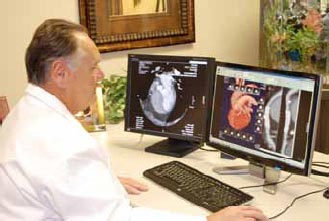
Osteoporosis is a disease that gradually weakens bones, causing them to become brittle and prone to fractures. Bone CT/ QCT is a noninvasive diagnostic imaging modality used to measure bone mass and detect Osteoporosis, even in its earliest stages. The amount of bone mass you have in your skeleton determines bone strength and how much force it can withstand before it fractures. Thus, bone CT/QCT measurements can estimate the risk of fracture, as well as assess the effects of injuries or illness.

QCT is the only technique to focus solely on Trabecular bone (near the center of the bone structure), where the earliest indications of bone loss take place. All other testing measures a combination of trabecular bone and overlaying bone sections. By focusing only on trabecular bone, QCT provides the clearest, most reliable results and can catch osteoporosis in its earliest stages reducing the risk of fracture.

How does it work?
A CT and QCT scan is painless and simple to conduct and usually takes only minutes. It is also noninvasive and the test is very precise. CT/QCT are performed using a rotating x-ray tube and a sophisticated computer system to obtain detailed, “slice-like” image of soft tissue and bony structure within the body. There are not preparatory medications or dietary restrictions associated with having a QCT.

What should I expect?
Basically, all you have to do is lie flat on a table while the scanner moves over the top of your body. The technologist may place special pads underneath or along side the body to ensure proper positioning. While the actual scan is taking place, the patient will be asked to remain completely still for a few minutes. If you have femoral rods, spinal rods, or have had a hip replacement, please inform the radiographer. Wear loose, comfortable clothing. Belts must be removed and pockets emptied. You may be asked to change into a hospital gown; zippers and snaps interfere with the scan.

For specific instructions/restriction on exam preparation, please refer to our Patient Prep Instructions.